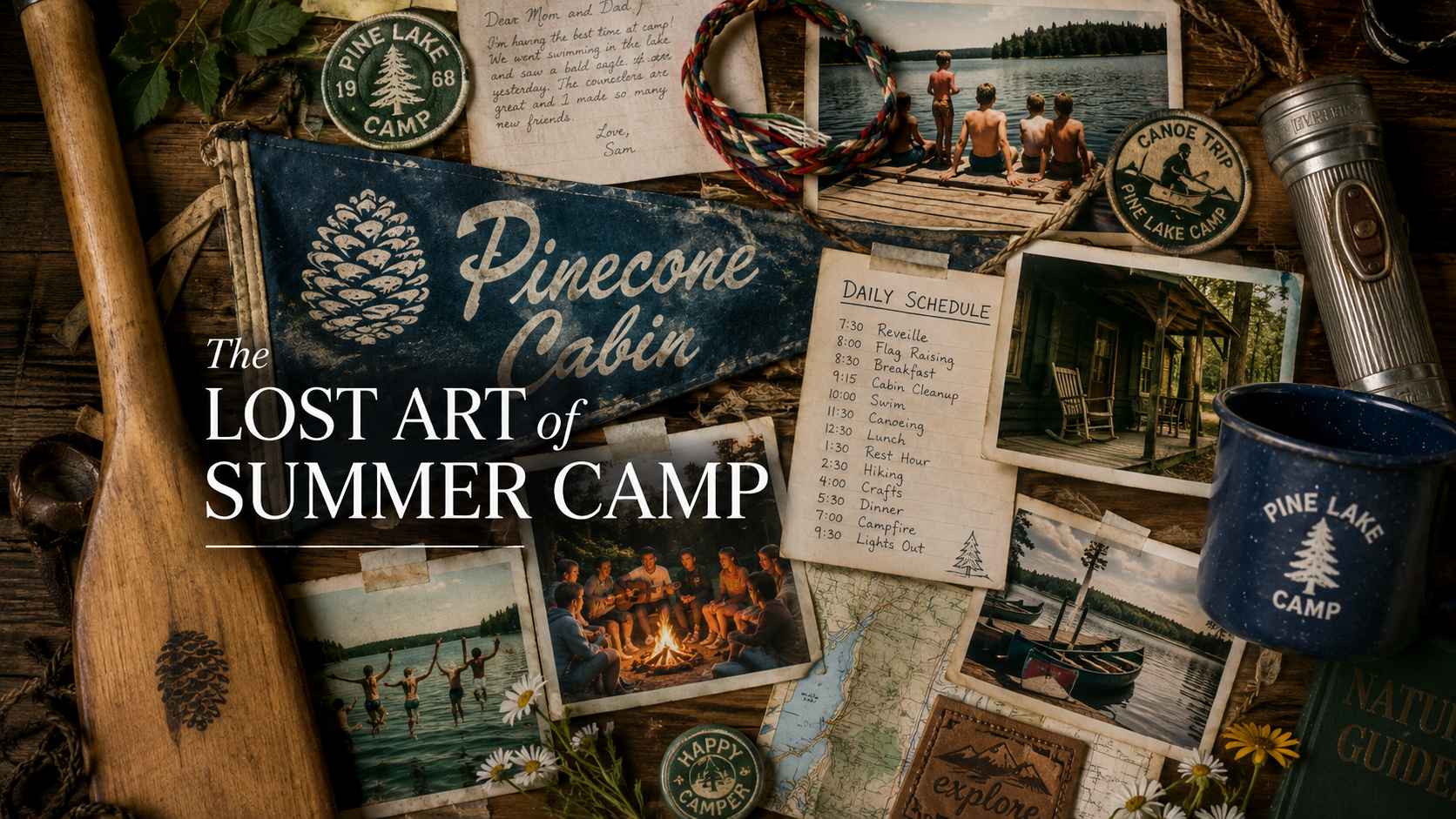
The Lost Art of Summer Camp
Some of the links on this blog are affiliate links, which means I may earn a small commission if you click through and make a purchase—at no extra cost to you! I only recommend products I truly love and think you’ll find useful too. Thank you for visiting and supporting this blog! To read more about our Affiliate program, click here.
The bug spray. The friendship bracelets. The canoe races. The mystery meat in the dining hall. Summer camp wasn't perfect—but it might have been one of the last places where kids learned how to be kids.
The Summer Camp State of Mind
Even if you never went away to camp for an entire summer, chances are you experienced some version of it.
Church camp.
Day camp.
Scout camp.
Sports camp.
Nature camp.
The week your parents dropped you off somewhere with a sleeping bag, a flashlight, and the vague instruction to "have fun."
For generations, summer camp wasn't just an activity. It was a rite of passage.
It was one of the few places where kids disappeared from their parents for a while and came back slightly sunburned, a little more confident, and carrying enough inside jokes to last until school started.
In today's world of constant notifications, GPS tracking, and entertainment on demand, there's something almost magical about that kind of independence.
Maybe that's why camp still feels so nostalgic.
It wasn't just what we did.
It was who we became while we were there.
You Learned More Than You Realized
Nobody signed up for camp hoping to learn life lessons.
You went because your friends were going.
Or because your parents needed something for you to do.
Or because you thought archery sounded cool.
But somewhere between the campfire songs and the mosquito bites, you accidentally learned things that mattered.
How to make new friends.
How to be part of a team.
How to fail spectacularly at canoeing.
How to solve problems without immediately calling home.
How to be bored and survive it.
Those skills don't always fit neatly on a résumé, but they're the kind that stay with you forever.
The Uniform of Summer
Every era has its fashion.
Camp had its own.
Oversized camp t-shirts.
Worn-out sneakers.
Bandanas.
Campfire hoodies.
Friendship bracelets stacked halfway to your elbow.
The beauty was that nobody cared what was trendy.
Your social status wasn't determined by your outfit.
It was determined by whether you could start a campfire or knew all the words to the songs.
Honestly, that system had a lot going for it.
The Great Outdoors Was the Entertainment
Camp existed before entertainment needed batteries.
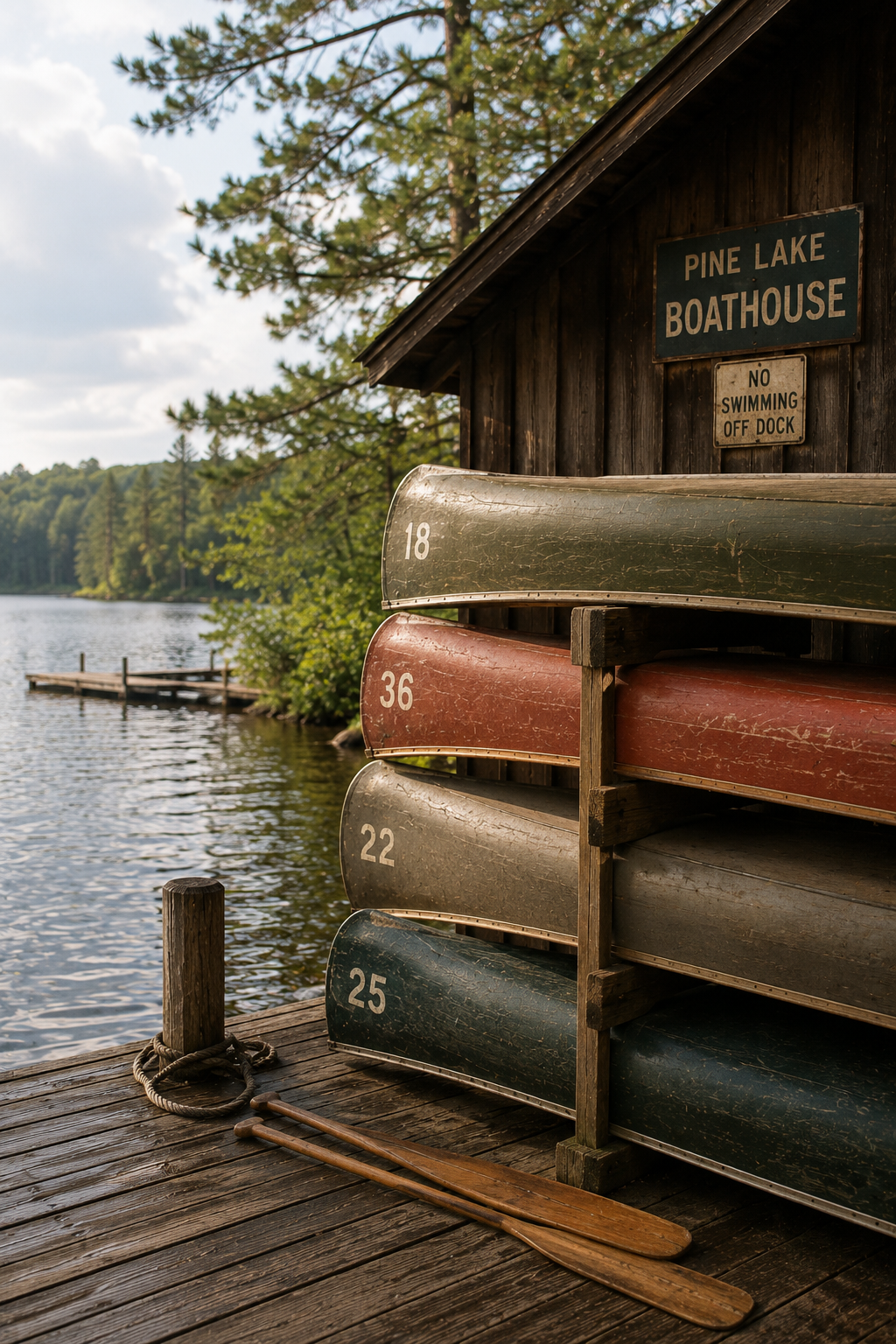
A canoe became an adventure.
A trail became an expedition.
A campfire became an entire evening's activity.
The best memories were often built around things that would sound incredibly boring if described ahead of time.
Walking in the woods.
Skipping rocks.
Looking at stars.
Trying to catch frogs.
And yet somehow those became the stories everyone remembered.
Camp Had Rules (And Somehow That Made It More Fun)
No electronics.
Lights out.
Cabin inspections.
Camp chores.
Quiet hours.
Looking back, it's funny how many camp traditions revolved around rules.
Yet somehow those boundaries created freedom.
Without screens, kids talked.
Without endless options, they invented games.
Without constant entertainment, imagination stepped in.
Maybe that's part of why camp memories stick around.
Everyone was participating in the same experience.
The Little Traditions Were the Best Part
Every camp had them.
A secret handshake.
A ridiculous camp song.
A legendary counselor story.
A scavenger hunt.
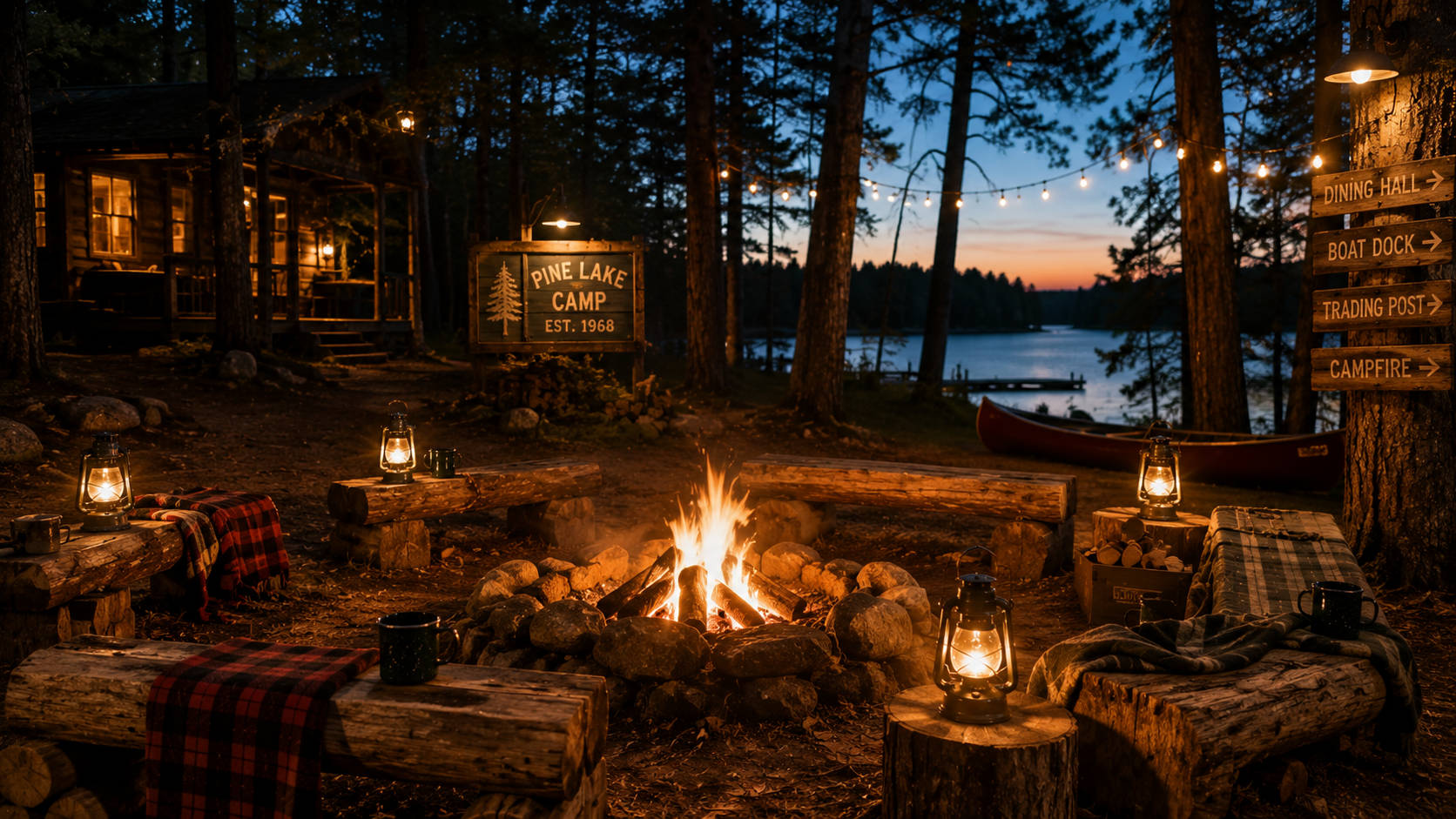
A final-night campfire.
A goofy award ceremony.
The details varied, but the formula stayed the same.
Small traditions became lifelong memories.
That's true whether you're twelve years old at camp or forty years old hosting friends in your backyard.
Traditions matter because they give ordinary days a story.
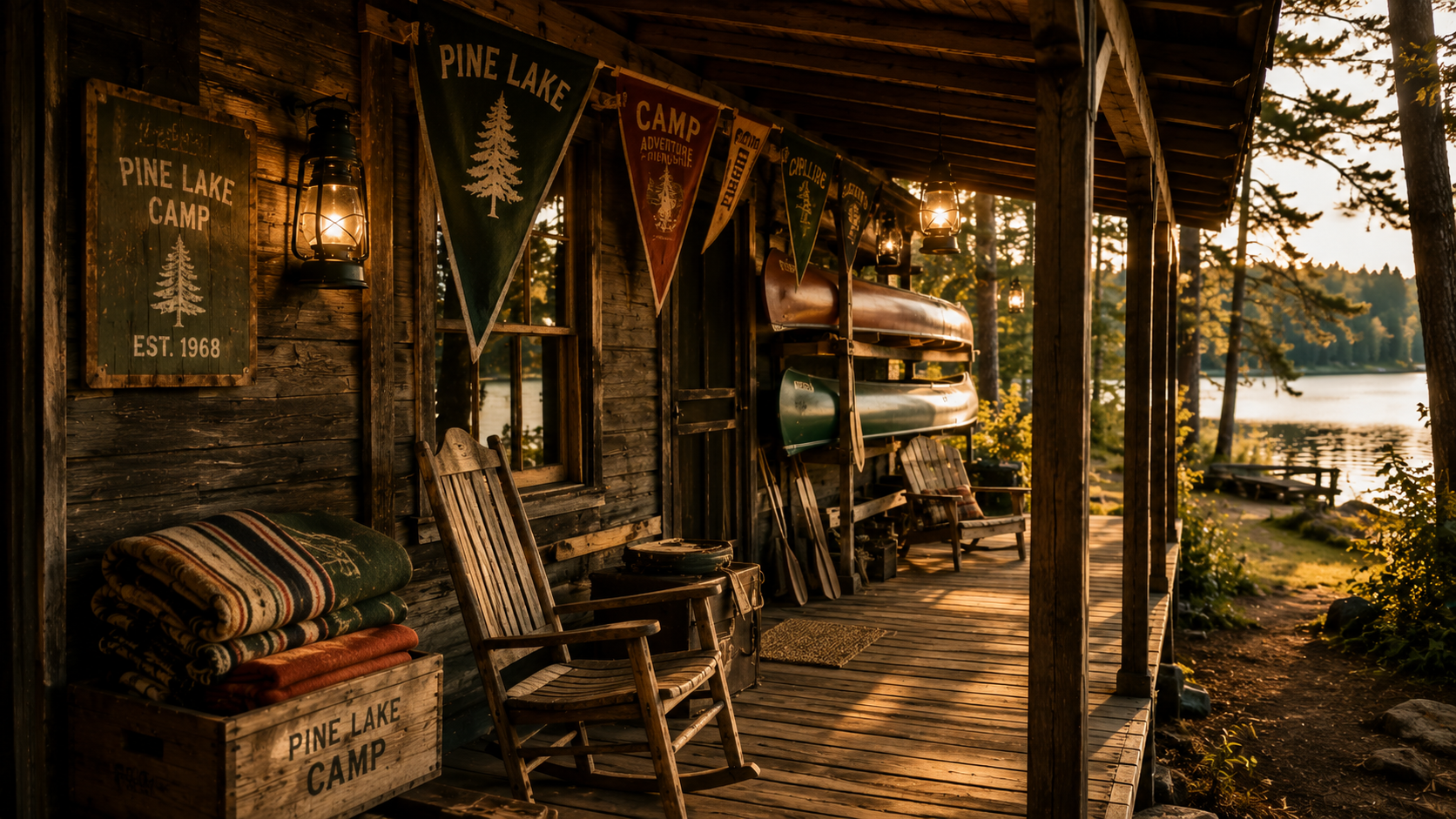
Bringing Camp Back Home
The good news?
You don't need an actual camp reservation to bring some of that feeling back.
You can create it at home.
Host a backyard campfire.
Learn a new outdoor skill.
Keep a summer journal.
Teach kids how to tie knots.
Make friendship bracelets.
Sleep in a tent.
Go stargazing.
Spend a day outdoors without checking your phone.
The goal isn't recreating camp perfectly.
It's recreating what camp gave us:
Adventure.
Connection.
Curiosity.
A little bit of independence.
And maybe a few mosquito bites for authenticity.
The Real Legacy of Summer Camp
Summer camp wasn't about cabins or canoes.
It was about learning that the world was bigger than your living room.
It taught us confidence through experience.
Friendship through shared adventures.
And resilience through small challenges.
The best camps didn't just fill summer days.
They shaped how we moved through the world afterward.
Maybe that's why so many adults still smile when someone mentions camp.
Not because they miss the bunk beds.
Because they miss how it felt.
For a few weeks every summer, life was simple.
And that simplicity felt like freedom.
Bring a Little Camp Home This Summer
You don't need matching camp uniforms or a lakeside cabin.
All you need is a willingness to unplug, go outside, and embrace a little old-fashioned adventure.
Start small.
Light the campfire.
Make the friendship bracelet.
Watch the stars.
The rest tends to follow.
What You Need to Get Started
Campfire & Backyard Adventure
Camp-Inspired Activities
Heritage Summer Essentials

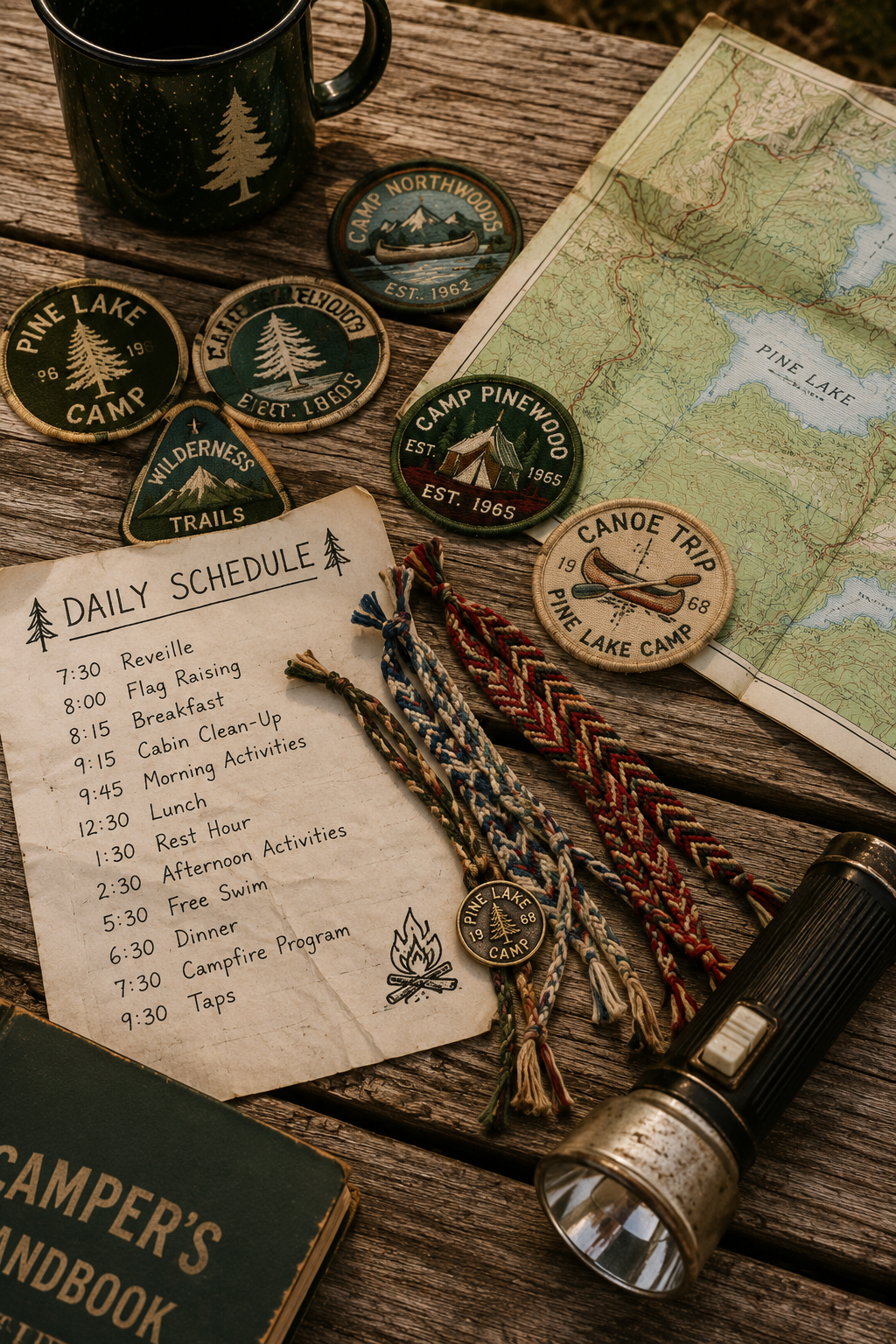
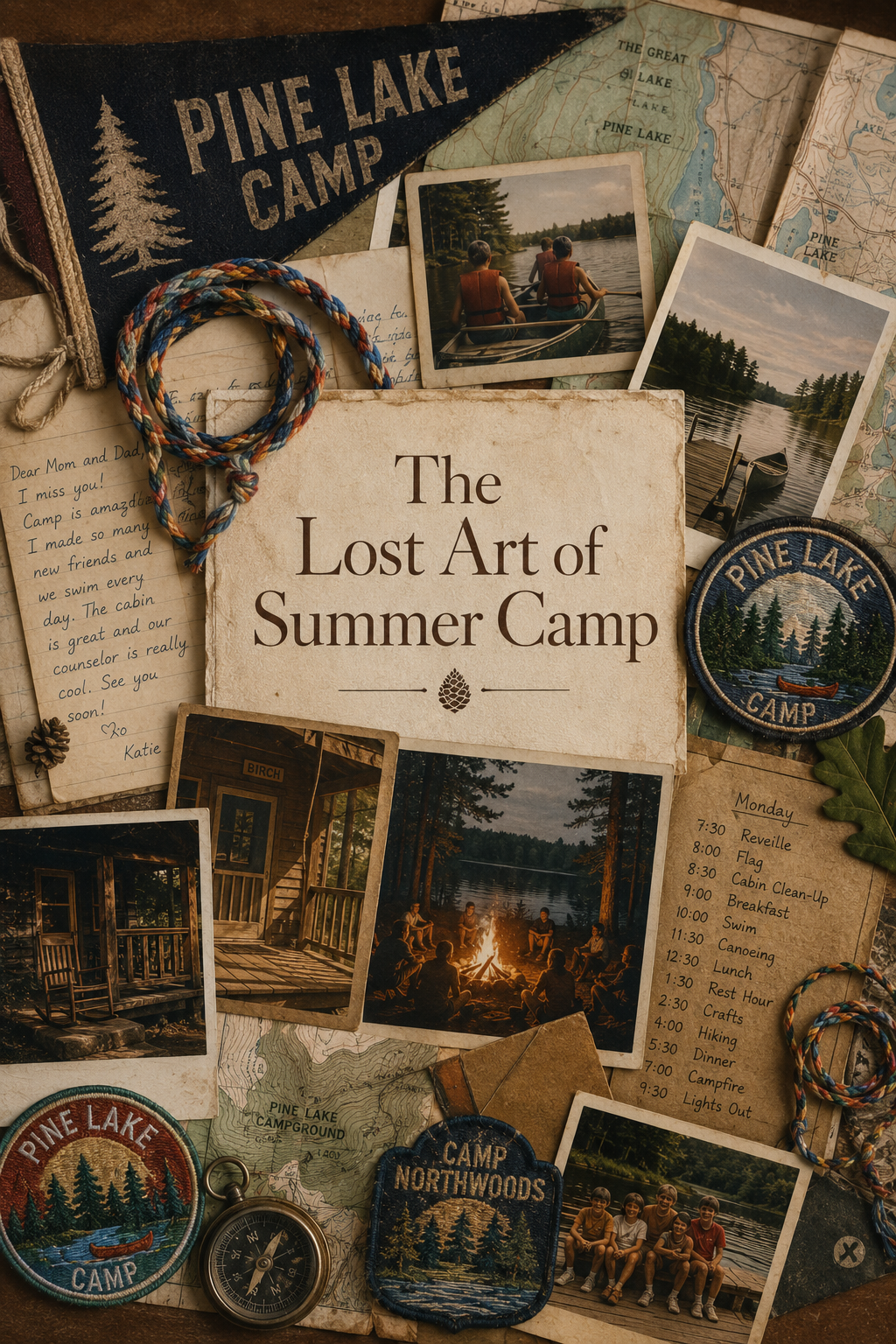

Play More: The Neighborhood Kids Playbook
Create More: The Ultimate Summer Bucket List