An easy, practical checklist for getting your home ready for cold weather, winter storms, and everything in between.
Winter has a way of finding the things you've been meaning to take care of. That drafty back door, the flashlight with dead batteries, the garage shelf you promised yourself you'd organize last year.
Before the temperatures drop and the forecast starts mentioning ice, it's worth spending an afternoon getting the house ready.
Nothing complicated. Just a few practical projects, some useful supplies, and a little preparation that makes winter easier.
Here's where to start.
A Note from Haven & Roam
Some posts on Haven & Roam include affiliate links, which means I may earn a small commission if you make a purchase—at no additional cost to you. Every recommendation is thoughtfully chosen and something I'd genuinely welcome into my own home. Thank you for supporting Haven & Roam.
1. Keep the Cold Air Outside
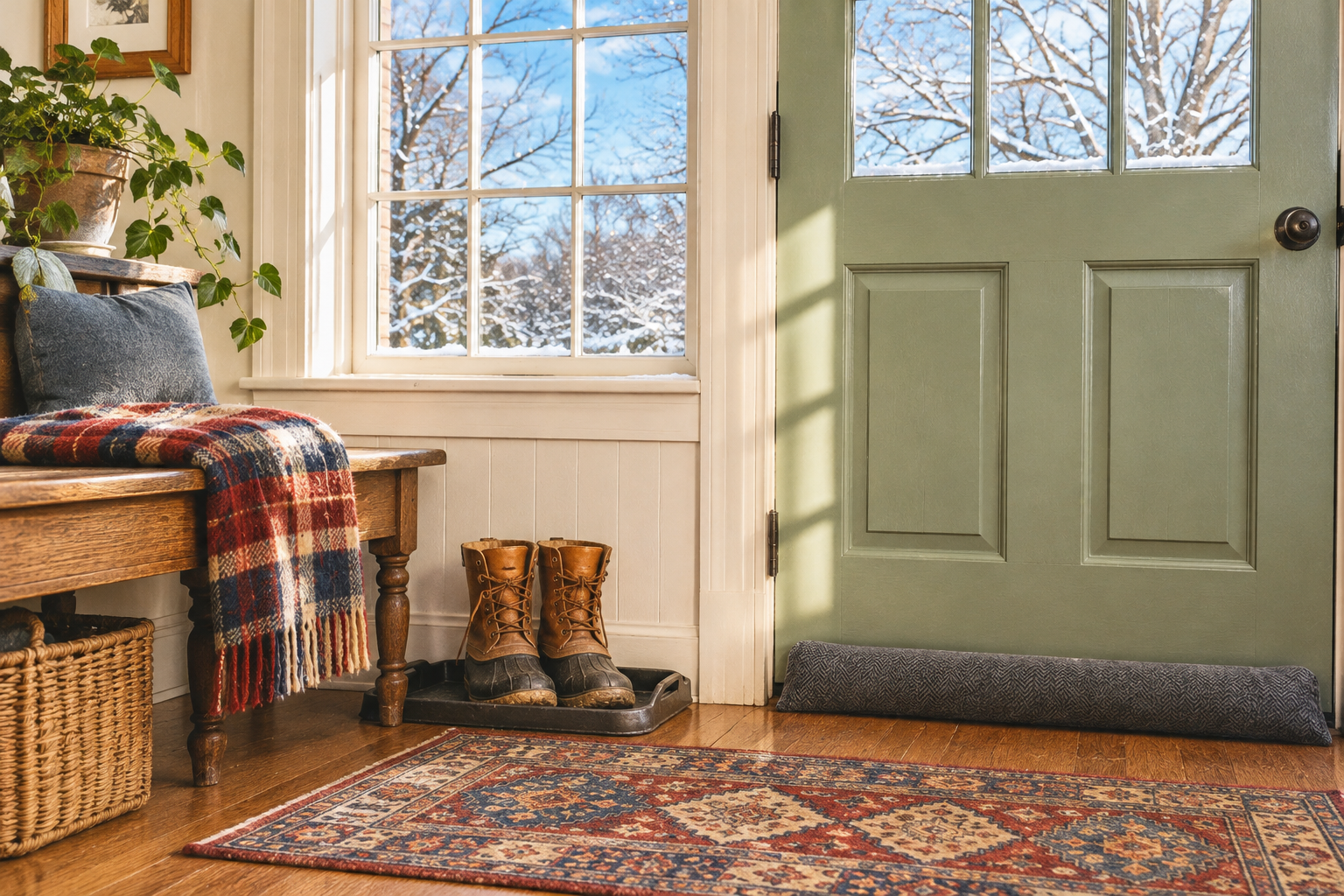
A few small fixes can make a noticeable difference when temperatures drop.
Check doors for drafts. Add door draft stoppers or replace worn weatherstripping where cold air sneaks in.
Insulate drafty windows. Window insulation kits are an inexpensive way to help reduce heat loss.
Check exterior doors and windows. Look for gaps, damaged seals, or cracked caulking.
Reverse ceiling fans. If your fan supports it, use the clockwise setting at a low speed to help circulate warm air.
Check your heating system. Replace HVAC filters and schedule maintenance if needed.
Worth having: Door draft stoppers, window insulation kits, and a few extra warm blankets.
2. Get the Garage Organized for Winter
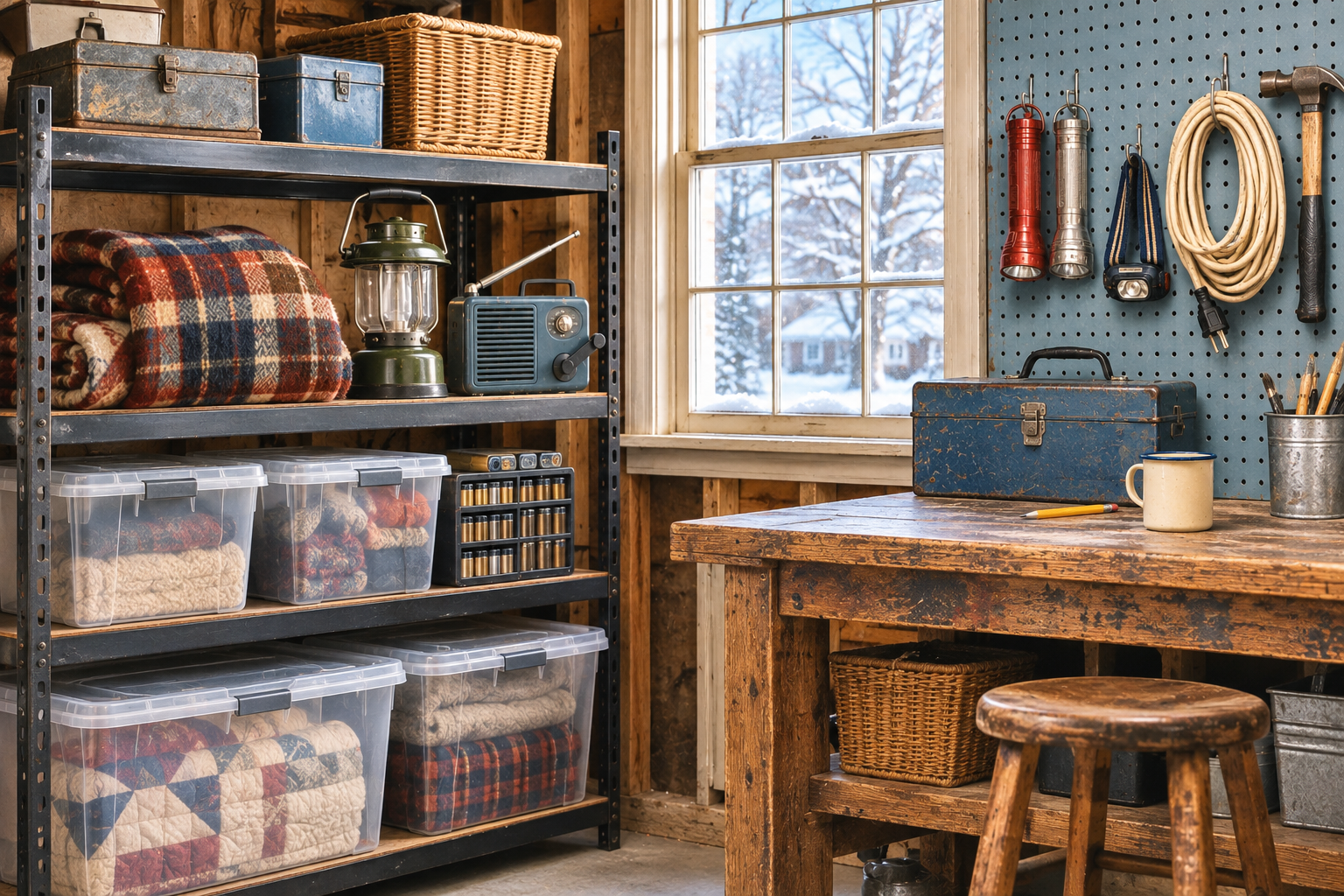
The garage tends to become the holding place for everything that doesn't have a home. Winter is a good excuse to give it a little attention.
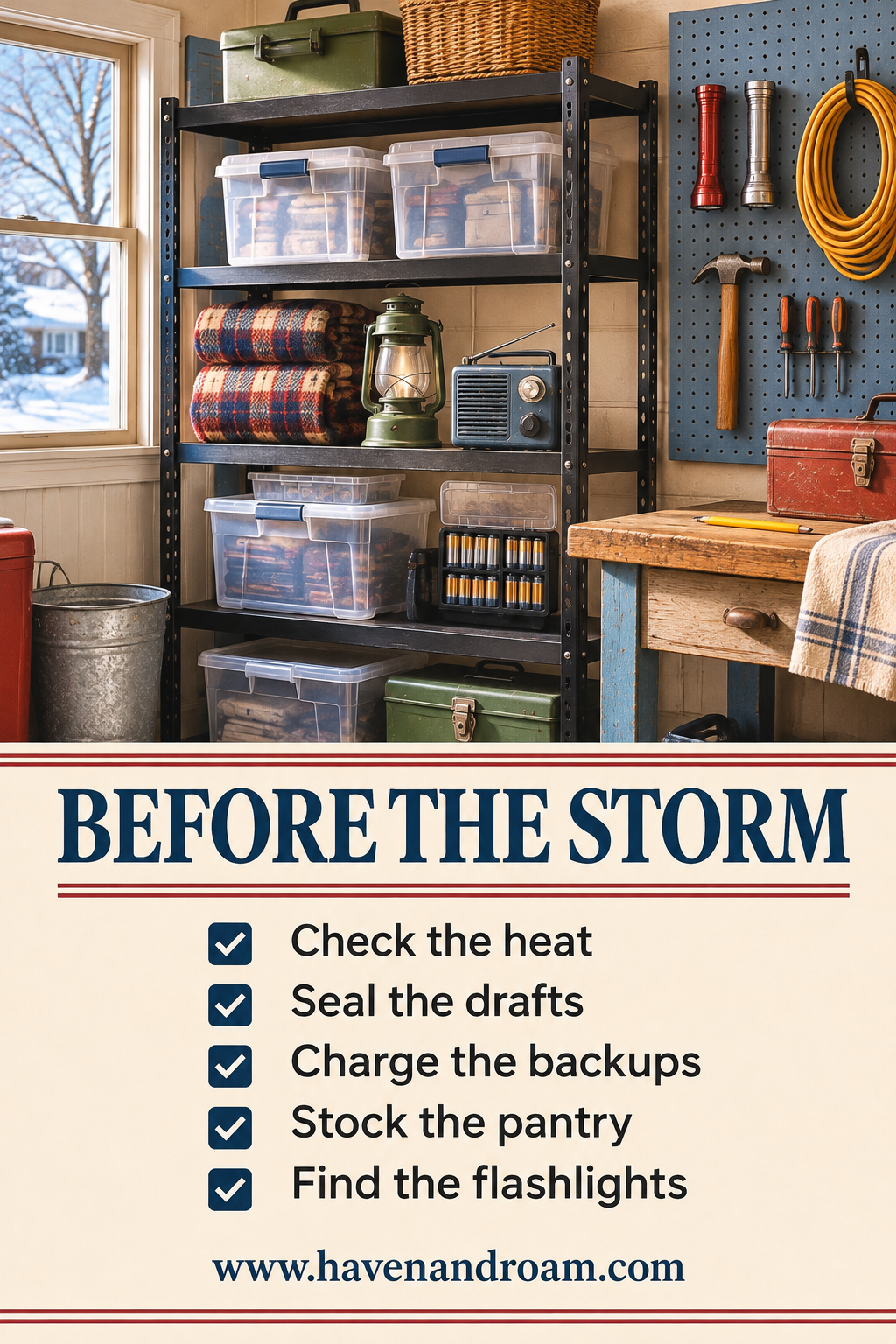
Clear a path. Make sure you can easily reach winter tools and emergency supplies.
Use sturdy shelving. Keep frequently used items visible and accessible.
Group supplies in labeled bins. Separate winter weather gear, emergency lighting, batteries, and other essentials.
Hang smaller tools. A pegboard keeps flashlights, extension cords, and frequently used tools from disappearing into drawers.
Move temperature-sensitive items. Check product storage requirements before leaving liquids, batteries, or electronics in an unheated garage.
Worth having: Metal shelving, clear storage bins, adhesive labels, pegboard organizers, and retractable extension cord reels.
3. Prepare for Winter Power Outages
Even a short outage is easier to manage when you already know where everything is.
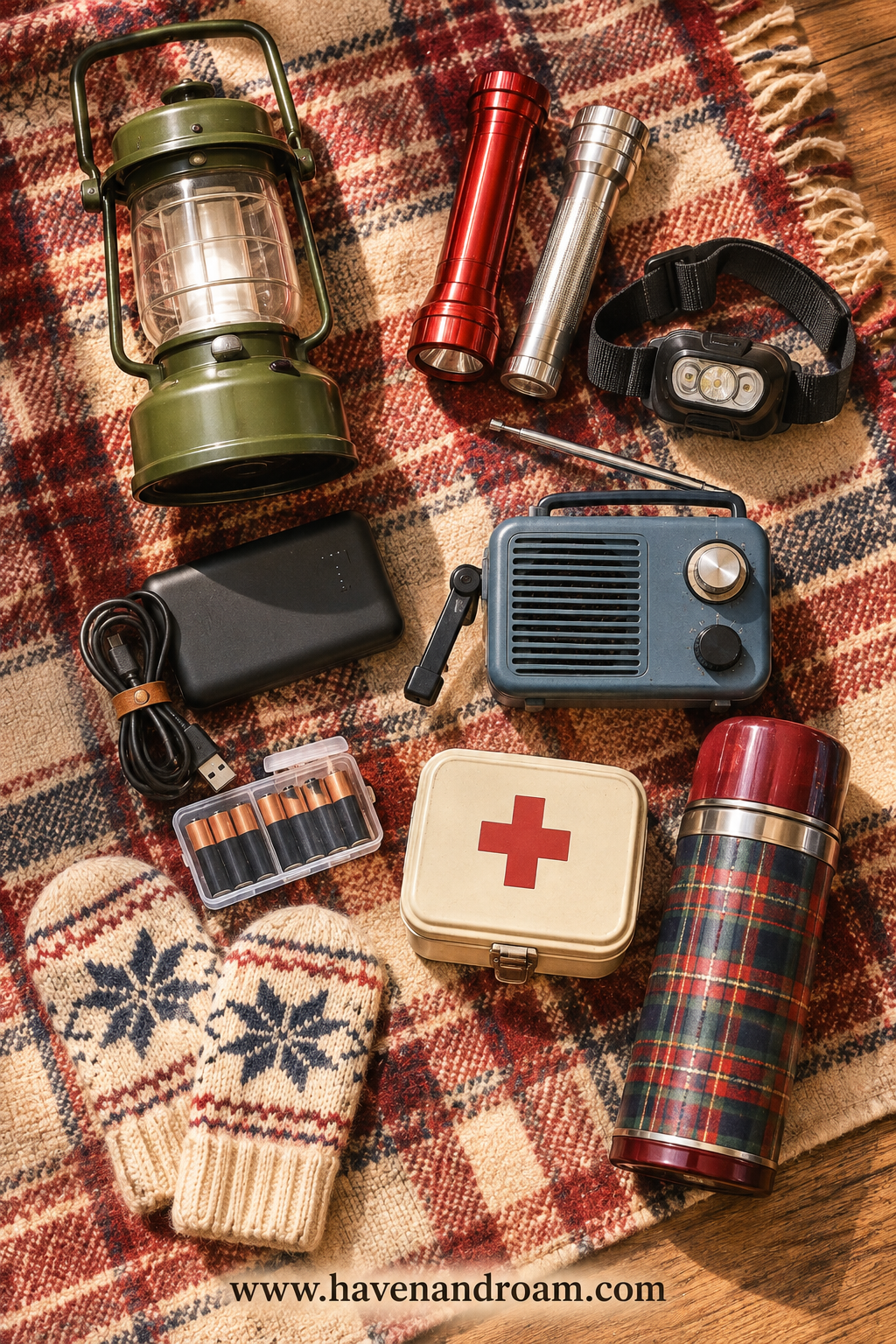
Put together a dedicated power outage kit with:
Battery lanterns: For lighting rooms without relying on outlets.
Flashlights and headlamps: For moving around safely and working hands-free.
Extra batteries: Check sizes and expiration dates before storm season.
Portable power banks: Keep them charged for phones and other small electronics.
Emergency radio: A battery-powered or hand-crank model provides another way to receive weather updates.
Charging cables: Store compatible cables alongside your backup power supplies.
Battery organizer: Keep spare batteries together and easy to find.
Store your supplies somewhere accessible inside the house, especially if your garage gets very cold.
Worth having: Battery lanterns, rechargeable power banks, hand-crank radios, and a battery storage organizer.
4. Make Sure Your Home's Safety Equipment Is Ready
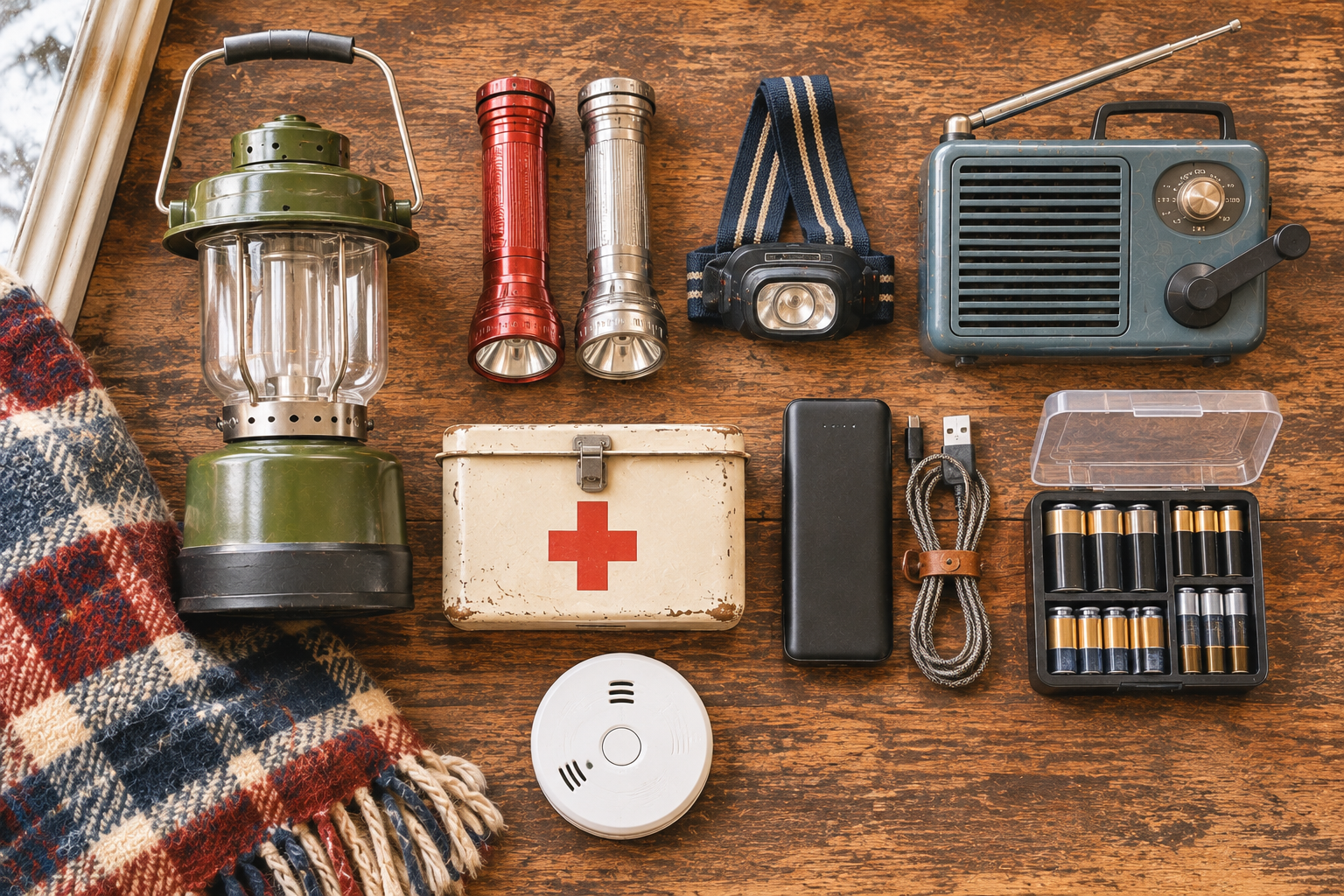
A quick safety check belongs on every winter preparation list.
Test smoke alarms. Replace batteries or units according to manufacturer recommendations.
Check carbon monoxide detectors. Make sure they're working and properly placed.
Inspect fire extinguishers. Confirm they're accessible, appropriately rated, and ready for use.
Restock the first aid kit. Replace anything missing or expired.
Check outdoor lighting. Make sure entrances, steps, and walkways are well-lit.
Review generator safety. If you have a portable generator, plan a safe outdoor location at least 20 feet from doors, windows, and vents, with exhaust directed away from the house.
Worth having: Smoke alarms, carbon monoxide detectors, fire extinguishers, first aid kits, and motion-sensor lights.
5. Get Ready for Snow and Ice
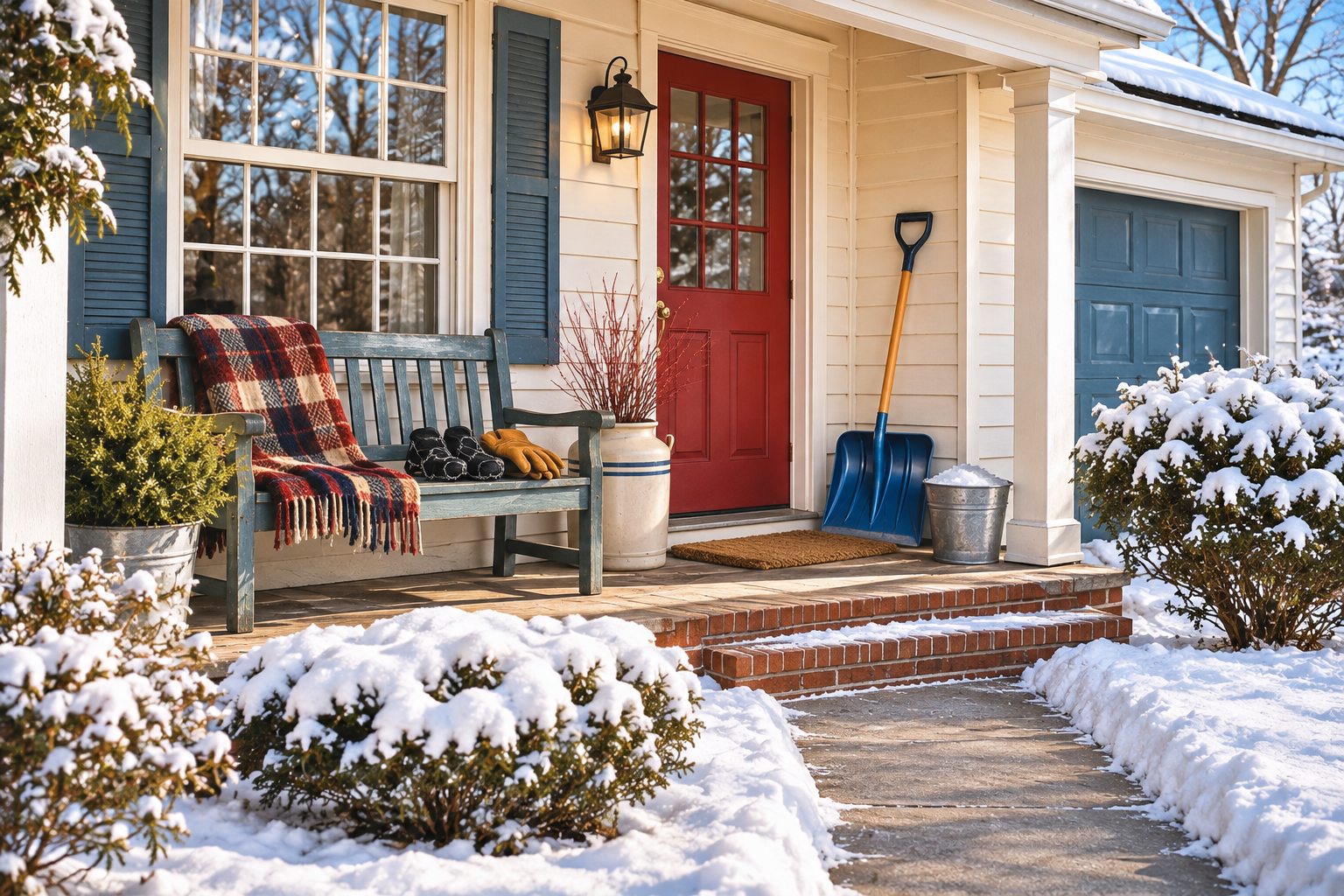
It's much easier to deal with icy steps when you aren't trying to find the ice melt underneath a pile of Christmas decorations.
Check snow removal equipment. Make sure shovels and other tools are working before you need them.
Stock ice melt. Choose a product appropriate for your walkways, surfaces, and household.
Keep traction aids handy. Snow cleats can help when walking on icy ground.
Inspect gutters and downspouts. Clear debris so water can drain properly.
Disconnect outdoor hoses. Drain and store them, and winterize exterior faucets as appropriate.
Check trees near the house. Have hazardous limbs assessed before ice and heavy snow arrive.
Worth having: Electric snow shovels, ice melt, and snow cleats.
6. Stock the Kitchen for Cold Weather
You don't need to stockpile groceries for the entire season, but a few pantry basics make winter days much easier.
Keep shelf-stable meals and ingredients on hand.
Store emergency drinking water for everyone in the household, including pets.
Have a manual can opener available.
Keep a cooler and frozen ice packs ready for temporary food storage.
Stock easy favorites like soup, crackers, oatmeal, and coffee.
Make sure you have food that doesn't require cooking in case the power goes out.
A portable camp stove can be useful for outdoor emergency cooking, but never use one inside the house, garage, or enclosed porch.
Worth having: Water storage jugs, a manual can opener, a cooler, and durable enamel dinnerware.
7. Make the Living Room Winter-Ready

Winter preparation isn't all maintenance and emergency supplies. It's also about making the house comfortable for the days you're spending more time indoors.
Bring out extra blankets and throws.
Keep a basket of wool socks near the sofa.
Add a reading light for darker afternoons.
Stock the coffee table with books, puzzles, and a few favorite games.
Keep a deck of cards handy for an impromptu game night.
Designate a spot for blankets and sleeping bags if the family needs to gather in one warm room during an outage.
Worth having: Wool blankets, sleeping bags, book lights, jumbo playing cards, dominoes, cribbage, and Yahtzee.
There's something nice about having the house ready for a snow day before you even know one is coming.
8. Put Together One Winter Essentials Bin
If you only tackle one organizing project, make it this one.
Grab a clear latching storage bin and fill it with the things you don't want to hunt for during a winter storm.
Your winter essentials checklist:
Battery-powered lantern
Flashlights and headlamps
Extra batteries
Charged portable power bank
Emergency radio
First aid supplies
Emergency whistle
Hand warmers
Spare charging cables
Printed emergency contacts
Keep extra blankets, drinking water, and larger supplies nearby. Label the bin clearly and make sure everyone knows where it lives.
A Little Preparation Goes a Long Way
Getting your house ready for winter doesn't have to be a weekend-long production.
Start with the drafty doors and windows. Check the safety equipment. Organize the garage. Put together an emergency kit. Then bring out the blankets, stack up the games, and make sure there's something good in the pantry.
A few things crossed off the list now can make the whole season feel a lot more manageable.

Getting the house ready for winter is about more than checking off the practical stuff. We've gathered a few favorite places to help with the rest.
The Garage: Emergency lighting, backup power, organization, and safety essentials.
The Mudroom: Winter boots, cold-weather gear, and everyday organization.
The Winter Kitchen: Pantry essentials, soup season, and cold-weather cooking.
The Winter Living Room: Cozy blankets, classic games, and everything for a good snow day.
Shop the Winter Collection: Colorful heritage-inspired blankets, pillows, mugs, table linens, and cozy apparel to make the season feel a little more like home.